
Wild Reserves
Beat the heat this summer and delve into one of these wild worlds where hidden singing creatures blur the boundaries between dawn and dusk.
Padworth Common
Throughout the summer, the vibrato call of nesting nightjars echoes across the open heath at dusk at this magical and less-visited reserve.
Dartford warbler, tree pipit, stonechat and woodlark are also residents or regular visitors to the purple swathes of heathland among the tapestry of ancient oaks. Adders, grass snakes and slow worms sunbathe on warm days and hunt in the thickets from spring well into the autumn.
Insects abound. You may be lucky to see the emerald glint of a green tiger beetle passing along the tracks, or hear the buzzing notes from a bog bush-cricket crawling among the wet areas of purple moor-grass. One of the common’s rarest residents is the elusive grayling butterfly. This cryptic insect is hard to spot on gravelly areas, basking with wings closed, but when disturbed it often reveals a vivid eye-spot to ward off potential predators.
The edges and slopes of the heathland dip down into gnarled oaks and alder in the wet gullies where frogs, toads and newts crawl in the autumn to seek hibernation hideaways.
A lovely way to while away half an hour is to sit near the main pond on North Common and enjoy the darting dragonflies and damselflies. They include the broad-bodied chaser, golden-ringed dragonfly, downy emerald and common hawker. Here you can also spot a variety of aquatic insects and larvae.
The paths on this reserve enable anyone wishing to get away from busy life to enjoy a quiet walk for a few hours.
- Postcode RG7 4JB
- Great for... Nesting nightjars and bog bush-crickets
- Size 28 hectares
- Map ref SU 619 648
- what3words shepherdess.spouse.nutty
For the birds
The heathland, riverside marsh and chalk grassland at these reserves are all precious habitat that are now rare across the UK. We are only able to maintain them thanks to your support.
My wild escape
Big habitat improvements have been made since BBOWT took on managing this precious reserve, and my hope is to see silver-studded blue butterflies flying across the heather once again as part of a recolonisation programme across West Berkshire. Along with the adjoining Burnt Common, which is due to become a Hampshire & Isle of Wight Wildlife Trust nature reserve, this lovely piece of our planet has a bright future.
Grahame Hawker, volunteer and member, Berkshire
Lead by example
Ground-nesting birds like the magical nightjar can only use our nature reserves because we keep them safe. If you are walking a dog, please keep it on a lead and stick to the paths.
Cholsey Marsh
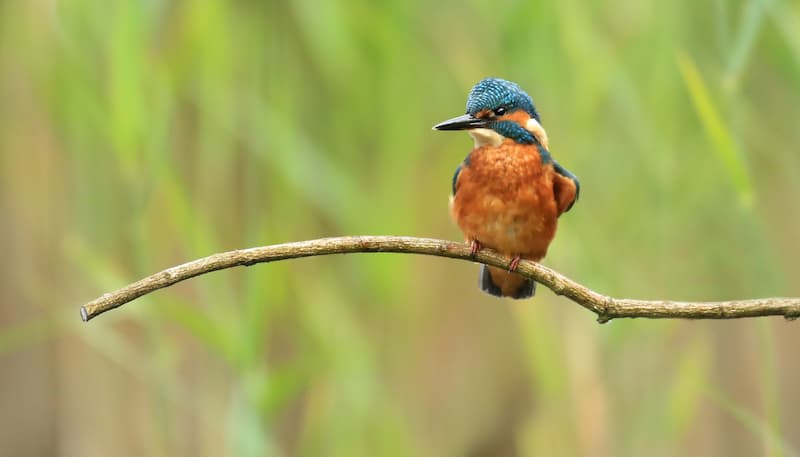
On a warm day, the air comes alive with dragonflies and damselflies, including beauties such as the club-tailed dragonfly and white-legged damselfly. Look out for kingfishers darting across the water too.
On the banks of the Thames near Wallingford, this kind of riverside marsh was once common but became scarce because of drainage for farming. This gem of a reserve now provides breeding ground for cuckoos, which can be seen as late as September, and the marshes and scrub host reed, grasshopper and sedge warblers.
As the days get shorter it’s a great place to look for overwintering birds including meadow pipit, redwing, snipe, corn bunting and starling.
- Postcode OX10 9HH
- Great for... Overwintering birds
- Size 19 hectares
- Map ref SU 601 855
- what3words eyelashes.superbly.staring
Chinnor Hill
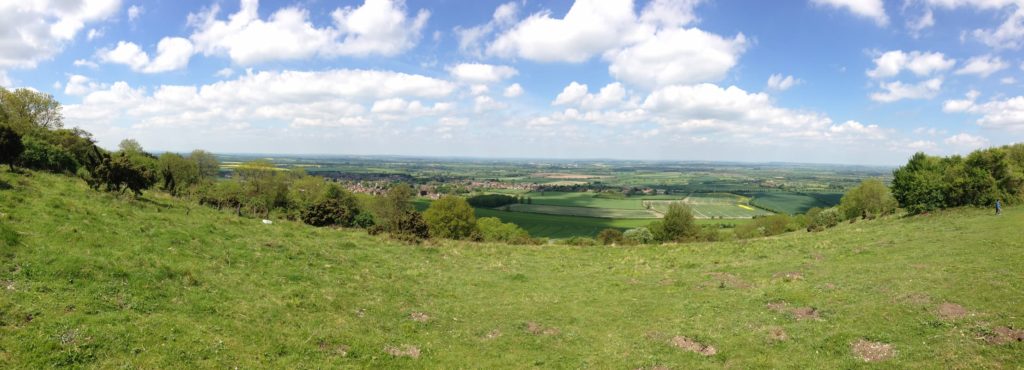
A late-summer visit to this chalk grassland rewards with delicate blue harebells swaying on slender stems – one of the most charming wildflowers of the season. Look closely and you may also spot the tiny white flowers of eyebright nestled among the grasses. If that wasn’t worth the short walk up the hill, the panoramic view over Oxfordshire and Buckinghamshire will seal the deal.
The grassland is also home to a rare colony of juniper bushes whose sweet-smelling berries are the essence of a good G&T (and the juniper shield bug is also a fan!). This is a fantastic site to admire the freewheeling red kites as they soar above, as well as kestrels scouting the slopes for dinner.
- Postcode OX39 4BH
- Great for... Panoramic views
- Size 28 hectares
- Map ref SP 767 002
- what3words radiated.blinking.emporium
Image credits: Stonechat in heather: Ben Hall/2020VISION; Kingfisher: Jon Hawkins/Surrey Hills Photography