How are we doing?
Our latest State of Nature Reserves conservation report reveals both the remarkable successes achieved for wildlife across our three counties and the growing challenges threatening these vital wild places. Head of Ecology Debbie Lewis offers a snapshot of where we are.
Our nature reserves are home to some truly spectacular and rare wildlife, from springtime carpets of bluebells to vast flocks of whirling winter wildfowl. These special places punch far above their weight in that they offer an essential role in supporting nature’s recovery at a landscape scale. They do this by serving as wildlife-rich sites from which species can eventually spread out across a restored and connected countryside. Reserves also bring solace to nature-starved visitors in search of improved wellbeing and respite from the busy world.
Health check
Every three years the Trust undertakes a health check of its reserves to assess how well they are doing for wildlife. As the world around us changes at an ever-faster pace, this stock check has become increasingly important to confirm whether we are doing the best job we can with our limited resources.
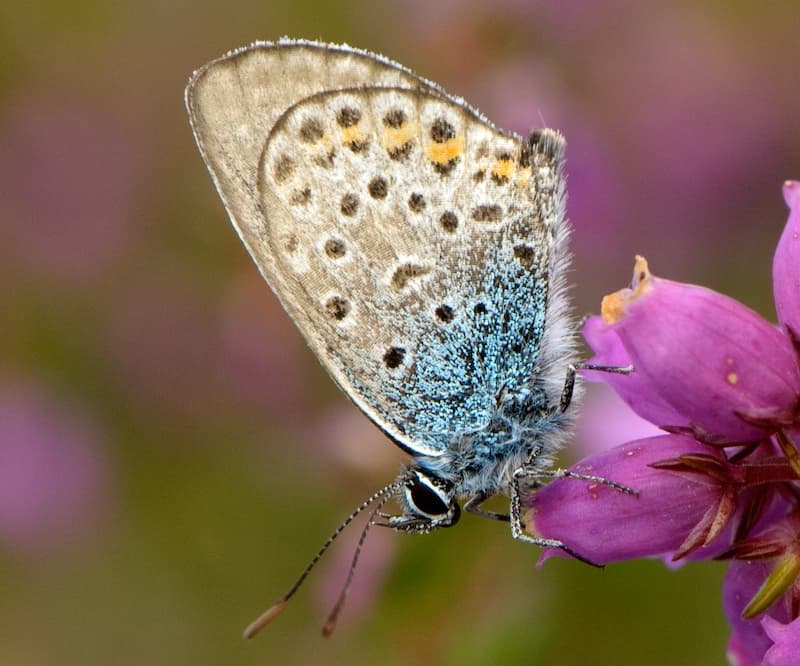
Information on the wide array of wildlife found on our reserves is collected annually by a dedicated and skilled group of surveying volunteers. This data is used to assess the condition of different habitats and their associated species. For example, results might tell us how well a population of heathland specialist butterfly such as the silver-studded blue is doing, which in turn will reveal a lot about the overall condition of the heathland it is found on.
Results for each parcel of habitat on every reserve are then grouped together so that we can understand the condition of broad habitats, such as heathland or chalk grassland, across all our reserves. It’s an approach that helps us identify any common issues that might be shared across sites.
We also use this opportunity to assess how much land we look after, where it is located, and the sorts of species found on our nature reserves.
The prognosis
The results from our latest State of Nature Reserves report covers the period from 2023 to 2025. It shows that almost half of the Trust’s estate is considered as being in ‘favourable condition’, that is doing the best it can for wildlife. Maintaining this status is a significant achievement and requires considerable ongoing work from both staff and our many committed volunteers.
Approximately a quarter of land is assessed as ‘unfavourable-improving’. These sites aren’t quite reaching their full wildlife potential but are making progress towards reaching it. A great example of this are the new ponds recently dug at Moor Copse, which were immediately colonised by great crested newts, despite this species never having been recorded here before.
Futureproofed
Although the Trust is making great steps towards improving the fortunes for wildlife across our suite of nature reserves, there is an ever-increasing threat from outside influences that need to be addressed if we are to maintain progress. These include issues such as ash dieback, climate change, high levels of scrub, and deer browsing pressure.
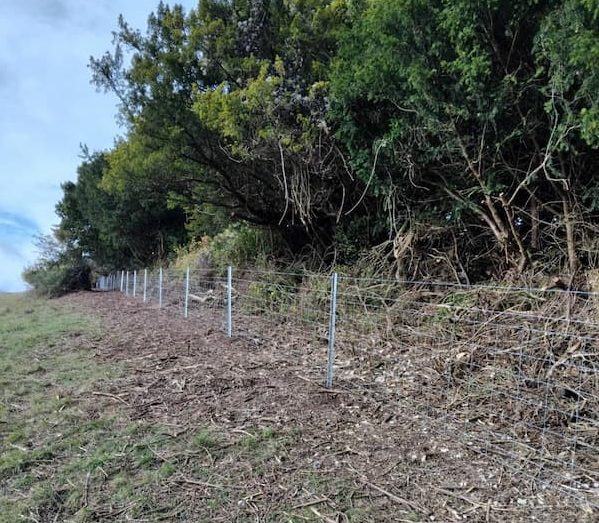
To address these challenges the Trust is trialling several innovative solutions. This includes using new technology, such as the use of new fencing like metal Clipex which lasts longer than wooden posts, or investing in GPS collars for livestock, drones and AI for habitat mapping, and acoustic recording to monitor species hard to locate with traditional methods. Other approaches include re-wetting areas of Parsonage Moor to benefit the fen habitat, while also increasing carbon storage and planting trees and scrub in areas cleared of ash.
In the face of a world that sometimes feels like it’s falling apart, there is room for optimism for the fortunes of local wildlife. Here in Berkshire, Buckinghamshire and Oxfordshire we can demonstrate the difference our amazing volunteers and members have made for wildlife, by collecting rigorous survey data, helping manage reserves, and supporting these endeavours financially. Thank you to all of you for your help.
Winning for wildlife
By working clever we are creating the conditions for wildlife to thrive.
Restoring wetland
The project has also improved water management and habitat monitoring across the reserve, helping ensure this nationally important wetland remains resilient in the face of climate change and increasing environmental pressures.
Trees for bats
To compensate for this loss of critical habitat we have been trialling the ‘veteranisation’ of existing younger trees. This involves using a chainsaw to simulate damage, such as a lightning strike, to create holes, splits and tears that bats can use for roosting.
Scrub control
To solve this problem, we have been using contractors with a new piece of kit: a robo-flail. This machinery can be operated remotely and is much more efficient than cutting by hand, meaning we can much better tackle the scrub.
Reconnecting adders
The project has helped create a more joined-up landscape for one of Britain’s most threatened reptiles, while ongoing habitat management across the commons is improving conditions for adders, ground-nesting birds and heathland wildlife more widely.
Adder Connections
Learn more about how we are helping adders in this short video.
Image credits: College Lake: Ric Mellis; Silver-studded blue butterfly: Chris Gomersall/2020VISION; Scrub control: Mark Vallance; Redshank: Jim Higham; Adder tunnel: Logan Walker; Vetenarised tree: Lou Reeve