
Wild Action
All the latest news for your local Wildlife Trust and beyond
Seasonal and safe
Feeding garden birds is one of life’s simple pleasures, and new research is helping us understand how to make this much-loved activity even safer for the wildlife we love.
A recent evidence review led by the RSPB has highlighted that while feeding birds can be beneficial, it can also increase the spread of disease. One such disease, trichomonosis, has contributed to significant declines in species like greenfinch and chaffinch.
Simple changes can make a real difference. Updated guidance encourages us to feed birds seasonally. During the warmer months (May to October), birds have access to plenty of natural food and the risk of disease transmission is higher. During this time, it is best to pause offering seeds and peanuts, which tend to attract larger numbers of birds into close contact. Instead, small amounts of mealworms, suet or fat balls can be offered in moderation. Then as natural food becomes scarcer in the colder months (November to April), feeding seeds and peanuts can recommence.
Hygiene is just as important. Hanging feeders are now recommended over flat surfaces like bird tables, which can see contaminated food build up. Regularly clean and move feeders to stop debris accumulating. Change water daily and clean birdbaths weekly. If you notice a bird that appears unwell, take a short break from feeding and thoroughly clean equipment to help stop any disease spreading.
Create natural food sources too. Plant berry-rich shrubs, leave areas a little wilder and encourage insects to ensure a varied, nutritious diet all year round.
Keep up to date
Visit bbowt.org.uk/newsletter to sign up for our latest news, delivered to your inbox
Working for wildlife
Wild at work
Wild Prospect
A new green space is set to transform outdoor access at Prospect Park Hospital in Reading, as Berkshire Healthcare Charity and BBOWT join forces to create a nature trail.
Funded by the NHS Charities Together’s Greener Communities Fund, the project will provide a calm environment for staff, patients and their families. Work is set to begin later this year and draws on staff and patient insights alongside BBOWT’s ecological expertise.
The trail will support therapeutic outdoor sessions, helping with emotional wellbeing, physical activity and social connection, while offering a peaceful place for staff to recharge.
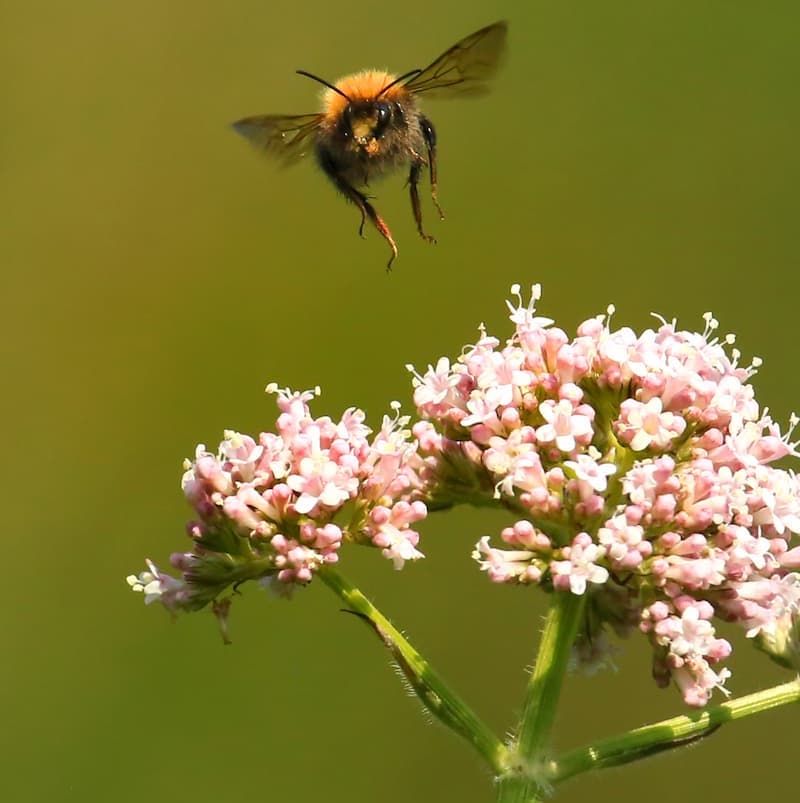
Importantly, the space will create new habitat for birds, butterflies, bumblebees and more, bringing nature closer to those who need it most.
Go wild for moths
Nature's new champions
Your wild memories
Fritillaries flourish
4 ways your support is making a difference
Contents
Image credits: Blue tits on feeder: Ben Hall/2020VISION; Common frog: Guy Edwardes/2020VISION; Novuna Finance work day: Victoria Bentiba; Tree bumblebee: Jon Hawkins/Surrey Hills Photography; Elephant hawk-moth: Margaret Holland; Snake’s-head fritillaries: Guy Edwardes/2020VISION