
Gen next
Our work with children and young people empowers the next generation.
Youth quake!
Could young people shake up the future of volunteering with BBOWT? Volunteering Project Manager Chloe Bradford reckons so.
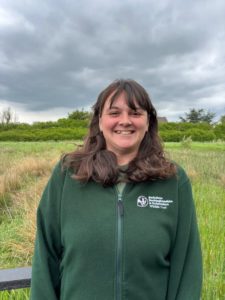
Chloe Bradford
Chloe, what is the Wild Future project?
Wild Future was created to engage young people aged 13-21 with nature through meaningful volunteering opportunities that match their interests. Opportunities may involve BBOWT, local communities or partner organisations, with young people helping shape the future of volunteering with the Trust.
Why is involving young people so important?
The project supports BBOWT’s wider strategy to build a stronger movement for nature’s recovery. Young people are more likely to feel valued when their voices are heard and they can help co-create these opportunities. This approach has already proved successful through partnerships with Berkshire College of Agriculture (pictured below) and the University of Reading, where students have helped identify barriers to taking part in conservation activities.
How will you engage these young people?
The project, supported by a local philanthropist, will work with both existing young volunteers and those who have never volunteered before, reaching them through schools, colleges and youth groups. A key part of the project is the Youth Volunteer Forum, which will recruit 10 representatives to meet regularly and help design volunteering activities and campaigns for younger audiences.
What opportunities will be available?
Over the first year, the project aims to recruit 50 new young volunteers. Roles may include Youth Forum representatives, social media creators, conservation volunteers, and citizen science participants. Feedback from the forum will also help inform new opportunities.
What are the benefits?
Volunteering helps young people build confidence, gain workplace skills, improve wellbeing, and connect with the wider community. In return, young volunteers bring fresh energy to BBOWT, helping strengthen partnerships, diversify volunteering, while supporting nature’s recovery locally.
How can young people get involved?
Recruitment for the Youth Forum begins this summer, with more volunteering opportunities to follow. Please visit bbowt.org.uk/youth-volunteering if you would like to get involved.
Wilder Schools
Last issue we introduced Wilder Schools, our programme helping children connect with nature and care for wildlife in their school grounds, while also building teachers’ confidence in outdoor learning.
This summer marks the end of the pilot phase and the start of our first full cohort of schools. From September, each school will work with us over three years to embed outdoor learning and action for nature into everyday school life.
Feedback from the pilot schools has been extremely positive. Together, we have created a range of habitats to benefit both children and wildlife, including renovated ponds, no-mow areas, herb and vegetable gardens, reptile shelters, log piles, and bird boxes built by pupils.
The programme has shown that flexibility is essential when working with busy schools. Our officers have drawn on their experience to create practical activities involving staff, parents and children alike. The enthusiasm within schools is clear and, by combining this with BBOWT’s conservation expertise, we are already seeing positive outcomes for nature.
Many children have also visited our education centres through our bursary scheme, giving them firsthand experience of wildlife conservation in action.