
Wild Reserves
Spring is here at last – but it doesn’t last long! Catch the full cinematic spectacle while you can at a nature reserve near you.
1. Iffley Meadows
Before BBOWT took over the management of Iffley Meadows in 1983, a mere 500 snake’s-head fritillaries could be found. Thanks to our care, the number has rocketed, and in 2025 the volunteers who joined our annual count recorded nearly 30,000 of Oxfordshire’s chequered county flower. Come down this April and May to see how many you can count.
Hidden away on the banks of the Thames just a stone’s throw from central Oxford, these wet meadows are also home to reed-loving birds like Cetti’s and sedge warblers and are a rare stronghold for water voles. In between the fritillaries you can also find a host of wildflowers such as adder’s-tongue fern, marsh marigold, and the vivid pink flowers of ragged-robin. Orange-tip butterflies and beautiful, iridescent banded demoiselle damselflies flit between them.
Spring is also the perfect time to look out for a trio of thematically linked species. Firstly, we’ve been lucky enough to have cuckoos nesting at Iffley Meadows after making their extraordinary return journey from their wintering grounds in Africa.
Secondly, if you can hear a cuckoo, then you’ve a good chance of finding the delicate pink blooms of their namesake in the long grass: cuckooflower. Thirdly, if you can find a cuckooflower, take a very close look and you might be lucky enough to spot the tiny but vivid orange egg of the orange-tip butterfly. The male adults, with their brightly coloured wing tips, are another sure sign that spring has arrived. Bonus points if you get all three!
- Postcode OX4 4BL
- Great for... Snake’s-head fritillaries
- Size 33 hectares
- Map ref SP 525 039
- what3words friend.money.puddles
Flower power
We would love to present a bunch of flowers to every one of our members! It’s only with your support we can help snake’s-head fritillaries and other wild flowers.
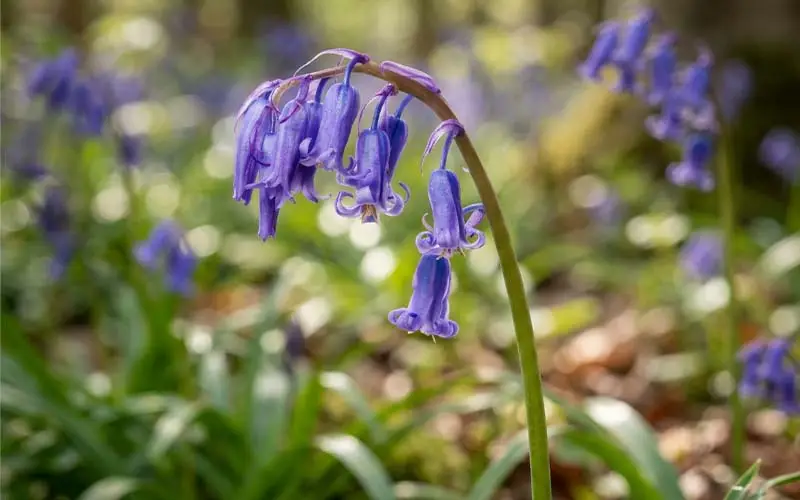
2. Bowdown Woods
Plunge into the cool shade of Bowdown Woods on a warm day in spring and discover a faerie world of moss-covered trees and ranks of delicate bluebells nodding their lilac heads.
Sprawling over 55 hectares, this sylvan kingdom boasts a rich mix of ancient woodland and lowland heath and is home to a host of less common species, including silver-washed fritillary and white admiral butterflies, brown long-eared bats, hazel dormice, and grass snakes. Try one of our mile-long circular walks by following the waymarkers or, for a longer adventure, try our Wild Walk taking in neighbouring Greenham Common and Thatcham Reedbeds.
- Postcode RG19 8DA
- Great for... Beautiful bluebells
- Size 55 hectares
- Map ref SU 501 656
- what3words healthier.either.hoot
3. Pilch Field
Just three miles south of Buckingham, Pilch Field is a living time machine. Look carefully across these wet meadows and you can still see the ancient ridge and furrow plough marks from centuries of agricultural use.
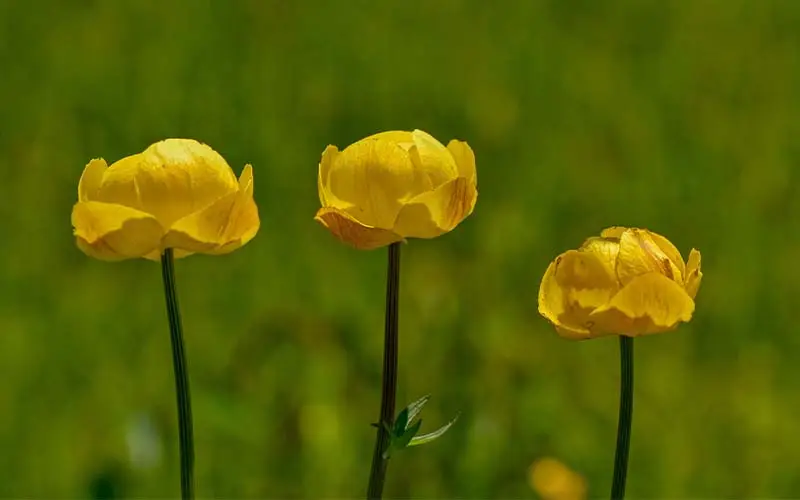
In April, clumps of marsh-marigold mark the damper trenches alongside meadowsweet, marsh valerian and early marsh-orchid. A month later, hundreds of green-winged orchids, once a common sight in meadows such as these, appear along the ridges. They are followed by common spotted orchids in June. There are plenty of butterflies, grasshoppers and other insects, too – look out for the hills made by the yellow meadow ants.
- Postcode MK17 0NX
- Great for... Historic habitat
- Size 12 hectares
- Map ref SP 749 321
- what3words obstruct.lateral.adding
My wild escape
The golden marsh marigolds are best viewed from the higher ground nearby. Pignut and yellow rattle are in profusion too, with adder’s-tongue fern spreading along the less well-drained furrows. Early marsh, bee and twayblade orchids may be seen in early summer in areas where the groundwater seeps out along a spring line below the ridge and furrow areas. This is a haven for birds too, from the large flocks of goldfinch on thistle down to the ubiquitous green woodpecker on the ant hills.
Jenny Mercer, volunteer and member, Buckinghamshire
Tread carefully
Wild flowers are delicate. Please take care and remember the WALK code:
Watch where you walk
Abide by the rules of the site
Leave the area as you found it
Keep to the paths
Image credits: Snake’s-head fritillary count: Pete Hughes; Bluebell: Niall Benvie/2020VISION